

A martial art style is a structured system of combat techniques, training methods, and often a philosophy passed down through a school or lineage. No single style is best for every goal. The right pick depends entirely on what you want out of it.
If you want the short version: fitness and stress relief point you toward striking arts like boxing or kickboxing; self-defense favors grappling and reality-based systems like Brazilian Jiu-Jitsu (BJJ), Krav Maga, or wrestling; competition rewards Judo, Taekwondo, Muay Thai, or Mixed Martial Arts (MMA); kids and discipline-building do well in Karate or Taekwondo programs with strong structure; and if you’re after a meditative, low-impact practice, Tai Chi or Aikido fit better than anything with a cage in the name.
Here’s a faster breakdown by goal:
- General fitness and fat loss: Kickboxing, Muay Thai, boxing
- Self-defense on the street: BJJ, Krav Maga, wrestling, judo
- Sport competition: Taekwondo, Judo, boxing, MMA
- Discipline and structure for kids: Karate, Taekwondo, Hapkido
- Mental focus and low-impact movement: Tai Chi, Aikido
Before you commit to anything, take three concrete steps. Watch a live class at a local school, not just a promotional video. Ask for a trial class and actually spar or drill at beginner intensity. And ask the instructor three questions: How often do students spar or drill with resistance? What’s the average time to a first rank promotion? What happens when a student gets hurt?
Key Takeaways
Choosing a martial art style works best when you match your specific goal to a technique family first, then evaluate the school’s actual training pedagogy before committing.
| Point | Details |
|---|---|
| Match goal to style family | Fitness favors striking, self-defense favors grappling and reality-based systems, competition rewards sport-ruled styles. |
| Pedagogy beats style name | Two schools teaching the same style can train completely differently; watch a live class first. |
| Expect 3-12 months to basics | Most consistent students reach functional competency within a year of steady training. |
| Ask about sparring ratio | The percentage of live drilling versus forms tells you more than any brochure. |
| Trial before you commit | Take an actual trial class and spar or drill at beginner intensity before signing a contract. |
Where to Learn More About Martial Art Styles
- The List of martial arts on Wikipedia catalogs hundreds of styles by region and technique for readers who want the full name index.
- World Taekwondo explains official sparring and forms rules for readers considering competitive Taekwondo.
- The Karate Wikipedia entry covers the style’s Ryukyu Kingdom origins and its many modern branches for readers comparing Karate schools.
- WKU’s martial arts list offers a quick-reference glossary for names you encounter while researching schools.
Table of Contents
- Comparing Martial Art Styles at a Glance
- Sixteen Martial Art Styles Compared
- How to Choose the Right Martial Art Style and School
- What a Typical Class Looks Like by Style
- Why the School Matters More Than the Style Name
- Martial Art Style: Prioritize Your Goal Over the Name
- Sources
- FAQ
Comparing Martial Art Styles at a Glance
Sixteen styles dominate almost every serious conversation about martial arts, and they split cleanly into a handful of technique families: striking, grappling, mixed, weapon-based, and meditative. A global mapping project identified roughly 300 recognized martial arts worldwide and grouped them into six technique categories, noting a heavy concentration of Asian-origin arts alongside folk wrestling traditions found on nearly every continent.
Before scanning the table, here’s how to read it. “Timeline to basic competency” means the point where you can perform core techniques with reasonable control, roughly 3 to 12 months of consistent training two to three times a week. “Contact level” reflects typical sparring intensity, not worst-case injury risk. Progression systems vary widely even within one style, so treat the “ranking” column as a general pattern rather than a universal rule.
| Style | Primary Focus | Best For | Training Format | Time to Basic Competency | Ranking System | Contact Level |
|---|---|---|---|---|---|---|
| BJJ | Grappling, submissions | Self-defense, problem-solving | Drilling, live rolling | 6-12 months | Belt (white to black) | Moderate, controlled |
| Muay Thai | Striking, clinch | Fitness, competition | Pad work, clinch drills, sparring | 3-6 months | Informal or arm-band levels | High |
| Boxing | Punching, footwork | Fitness, self-defense | Pad work, bag work, sparring | 3-6 months | None formal | High |
| Karate | Striking, forms | Kids, discipline, fitness | Kata, kumite, drills | 6-12 months | Belt (kyu/dan) | Low to moderate, school-dependent |
| Taekwondo | Kicking, forms | Kids, competition, fitness | Poomsae, kyorugi sparring | 6-12 months | Belt (color to black) | Moderate |
| Judo | Throws, groundwork | Self-defense, competition | Throw drills, randori | 6-12 months | Belt (kyu/dan) | Moderate to high |
| Wrestling | Takedowns, control | Self-defense, competition | Live drilling, sparring | 3-9 months | None formal | High |
| Aikido | Joint locks, redirection | Mental focus, low-impact defense | Cooperative drills, forms | 12+ months | Belt (kyu/dan) | Low |
| Kung Fu | Striking, forms, weapons | Tradition, fitness | Forms, drills, sparring varies | Highly variable | Sash or belt, style-dependent | Low to high |
| Krav Maga | Reality-based defense | Self-defense | Scenario drills, strikes | 3-6 months | Level system | Moderate to high |
| Capoeira | Kicks, acrobatics, rhythm | Fitness, culture, flexibility | Roda (circle), music, movement | 6-12 months | Cord (corda) system | Low |
| Sambo | Grappling, throws | Self-defense, competition | Throw drills, groundwork | 6-12 months | Rank varies by federation | Moderate to high |
| Tai Chi | Slow forms, internal energy | Mental focus, low-impact | Solo forms, partner push hands | 12+ months | Informal | Very low |
| Hapkido | Joint locks, strikes, throws | Self-defense, discipline | Drills, forms, some sparring | 9-12 months | Belt (kyu/dan) | Moderate |
| Kickboxing | Punches and kicks | Fitness, competition | Pad work, bag work, sparring | 3-6 months | Informal or none | High |
| MMA | Striking and grappling combined | Competition, well-rounded skill | Cross-training, live sparring | 12+ months | None formal | Very high |
Sixteen Martial Art Styles Compared
Every style on this list solves a slightly different problem. Some are built for the cage, some for the street, some for a quiet mind. Here’s what each one actually asks of you.
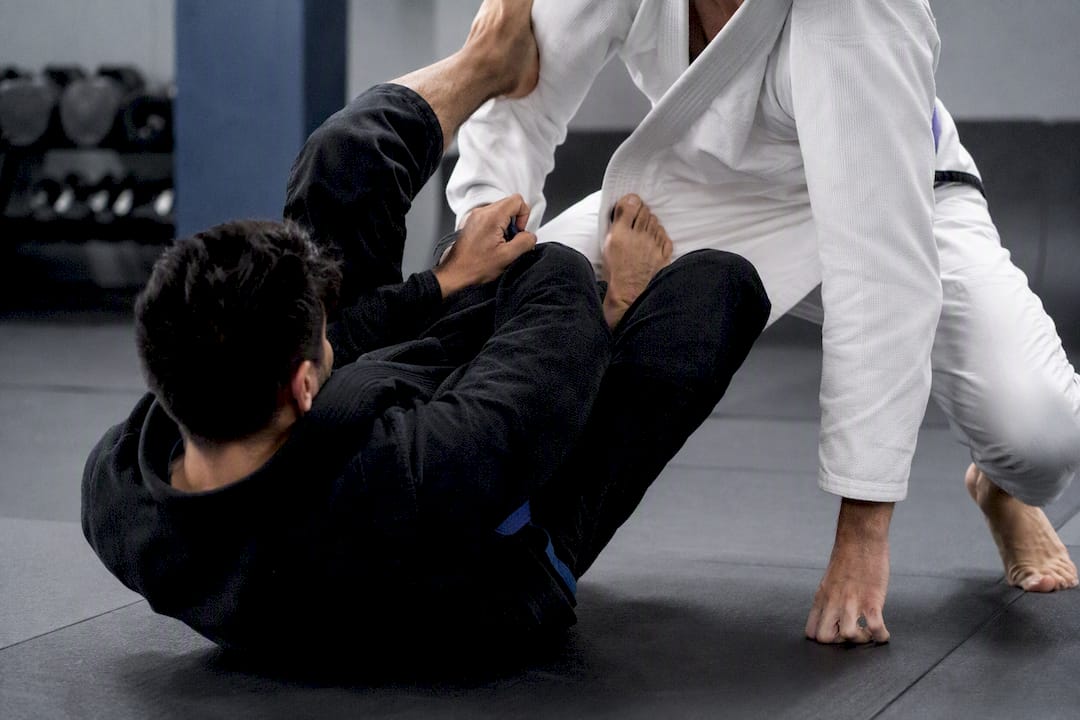
Grappling — Brazilian Jiu-Jitsu. BJJ teaches you to control and submit an opponent from the ground, using leverage instead of strength. It’s especially good for smaller or older students who want a self-defense system that doesn’t depend on winning a striking exchange. A typical class opens with technique drilling, moves into isolated positional sparring, and ends with live rolling. Expect 6 to 12 months before you can defend yourself competently against an untrained attacker, though real proficiency takes years. The belt system runs white to black, and promotions are notoriously slow, often years between ranks. Mat burn, finger sprains, and occasional rib bruising are the common complaints; a proper school teaches tapping etiquette from day one.
Striking — Muay Thai. Known as the “art of eight limbs,” Muay Thai uses fists, elbows, knees, and shins. It suits people who want brutal conditioning and a striking base that transfers directly into MMA. Classes usually run heavy on pad work and clinch drills before live sparring. You can build usable striking skills in 3 to 6 months, though clinch work takes longer to master. There’s no universal belt system, most gyms use informal skill tiers, and shin conditioning plus occasional bruising is part of the territory.

Striking — Boxing. Boxing strips striking down to punches and footwork, which makes it one of the fastest ways to build hand speed, head movement, and cardio. It fits almost anyone chasing fitness or a no-frills self-defense base. Sessions typically include shadowboxing, bag work, mitt rounds, and sparring once fundamentals click. Fighters see real improvement within 3 to 6 months. There’s no formal ranking system, and the main injury risks are hand and wrist strain plus the cumulative effects of repeated sparring, which is why headgear and mouthguards matter even in practice.
Striking, forms — Karate. Karate is a broad umbrella covering dozens of distinct lineages, from Shotokan to Kyokushin, each with different rules on contact and philosophy. It works well for kids and adults who want structured discipline alongside striking fundamentals. Classes blend kata (solo forms), kumite (sparring), and basic drilling, though the ratio of forms to sparring varies enormously by school. Basic competency in stances and strikes takes 6 to 12 months, while black belt often takes 3 to 5 years. Ranking runs through colored belts (kyu) to black belt (dan) levels. Because styles and schools differ so much under the “Karate” name, inspect the actual class content before enrolling. Some schools spar hard and often; others barely spar at all.
Kicking, forms — Taekwondo. Taekwondo emphasizes dynamic, high kicks and is one of the most competition-oriented traditional styles, with two distinct competitive disciplines: kyorugi (sparring) and poomsae (forms), each scored differently in Olympic-level competition. It’s a strong fit for kids seeking structure and for anyone drawn to a sport-oriented path. Classes usually open with stretching for flexibility, move through kicking drills and forms, then close with point sparring. Expect 6 to 12 months to competency in basic kicks and forms. Bruised shins and occasional sprains from high-kick attempts are the most common injuries, which is why shin guards and headgear appear early in a student’s gear bag.
Grappling — Judo. Judo focuses on throws, pins, and some submissions, teaching you to use an opponent’s momentum against them. It’s a strong option for anyone who wants Olympic-level competition or a throw-based self-defense skillset. Classes drill entries into throws (uchi komi), then move to randori, live grappling practice. Basic throw competency takes 6 to 12 months, but timing takes years to refine. Belt progression mirrors Karate’s kyu/dan system. Falls are frequent, so learning to break-fall safely (ukemi) comes before almost anything else.
Grappling — Wrestling. Wrestling is pure control: takedowns, pins, and positional dominance, with no strikes involved. It’s arguably the fastest style for building raw grappling strength and is a foundational base for MMA. Practice is largely live drilling and sparring from day one, with far less “forms” work than traditional styles. Functional takedown skill can develop in 3 to 9 months of consistent training. There’s no formal belt or rank system in most wrestling programs. Neck strain, joint hyperextension, and mat burns are common, and cauliflower ear develops from repeated, unprotected ear friction.
Joint locks, redirection — Aikido. Aikido redirects an attacker’s energy rather than meeting force with force, making it appealing to people who want a low-impact, philosophically grounded practice. Training relies heavily on cooperative drills rather than live resistance, which makes it excellent for mobility and joint awareness but limited as a pressure-tested self-defense system. Expect over a year before techniques feel intuitive under any real pressure. Ranking follows the standard kyu/dan belt structure. Injury risk is low given the cooperative nature, though wrist and shoulder strain can occur with aggressive joint locks.
Striking, forms, weapons — Kung Fu. Kung Fu is an umbrella term for hundreds of Chinese martial systems, ranging from acrobatic Wushu to internal styles like Wing Chun, and school variation here is even more extreme than in Karate. Some schools train hard sparring and weapons work; others focus almost entirely on choreographed forms with little live contact. It suits people drawn to tradition, weapons training, or a specific lineage’s philosophy. Timeframes to competency vary wildly depending on the sub-style and the school’s sparring culture, so this is one where you absolutely must watch a class before signing up.
Reality-based defense — Krav Maga. Developed for military and law enforcement use, Krav Maga skips forms and sport rules entirely in favor of fast, aggressive responses to real threats: chokes, weapon grabs, multiple attackers. It’s built specifically for self-defense, not competition. Classes run through scenario-based drills, striking pads, and defensive simulations under increasing pressure. Because there’s no sport ruleset to master, usable defensive reflexes can develop in 3 to 6 months. Most schools use an informal level system rather than belts. Bruising from pad drills and occasional strain from explosive movements are typical, and a good instructor teaches control before intensity.
Kicks, acrobatics, rhythm — Capoeira. Capoeira blends martial technique with music, dance, and acrobatics, performed in a circle called a roda. It’s a great fit for people chasing flexibility, rhythm, and a cultural experience alongside fitness. Classes involve movement drills, cartwheels and kicks, and eventually live “games” within the roda to live music. Basic movement fluency takes 6 to 12 months. Progression uses a cord (corda) system similar to a belt rank. Wrist strain from handstands and occasional kicks to the body are the main injury concerns.
Grappling — Sambo. Sambo is a Russian grappling system combining Judo-style throws with leg locks and pins, and it’s one of the styles the Fight Encyclopedia’s ranked analysis flags for documented combat effectiveness alongside BJJ, wrestling, and Muay Thai. It suits grapplers who want a more aggressive submission game than Judo allows. Training mixes throw drilling with live groundwork sparring. Expect 6 to 12 months to build functional grappling skill. Rank systems vary by federation, and injury patterns mirror BJJ and Judo, joint strain and occasional sprains from leg lock exchanges.
Slow forms, internal energy — Tai Chi. Tai Chi trades speed and contact for slow, deliberate forms designed to build balance, body awareness, and calm. It’s the clearest choice for anyone prioritizing mental focus, stress reduction, or gentle movement over combat application. Classes are almost entirely solo forms, occasionally paired with partner “push hands” exercises. Because intensity is so low, “competency” here means fluid form execution, which can take over a year to develop meaningfully. There’s no meaningful contact risk, making it one of the safest styles on this list.
Joint locks, strikes, throws — Hapkido. Hapkido blends striking, joint locks, and throws into a more comprehensive self-defense system than most single-focus styles. It works well for students who want discipline plus practical technique without committing to a purely sport-focused style. Classes combine forms, joint-lock drills, and some sparring, though live resistance training varies by school. Expect 9 to 12 months before core techniques feel functional. Ranking follows the standard belt progression. Injury risk sits in the moderate range, mostly wrist and joint strain from lock drilling.
Punches and kicks — Kickboxing. Kickboxing merges boxing’s hand technique with kicks, offering a fast, high-intensity workout with genuine sparring application. It’s a favorite for fitness-focused students who still want live contact practice. Classes are heavy on pad and bag work, building toward sparring rounds. Basic competency arrives in 3 to 6 months. Most gyms skip formal ranking entirely. Bruising and occasional shin injuries are common, similar to Muay Thai.
Striking and grappling combined — MMA. MMA blends striking, wrestling, and submission grappling into one integrated system, training you to fight anywhere the confrontation goes. It suits people chasing serious competition or the most complete, cross-trained skillset available. A typical week rotates between striking sessions, wrestling or BJJ sessions, and live sparring that combines all ranges. Because it demands competency across several disciplines, meaningful proficiency usually takes 12 months or more. There’s no unified rank system across MMA gyms. Injury risk is the highest on this list given the combination of striking and grappling under live pressure, which is why reputable gyms enforce strict sparring intensity limits for newer students.
How to Choose the Right Martial Art Style and School
Picking a style starts with honesty about your actual goal, not what looks impressive on social media.
- Define your primary goal. Fitness, self-defense, competition, kids’ discipline, or a meditative practice each point toward a different technique family.
- Check what’s actually available near you. The “best” style on paper is worthless if the nearest school is 90 minutes away or only offers classes when you’re at work.
- Watch a class before you pay for anything. Notice whether students are drilling with resistance or just going through motions.
- Take a trial class and spar or drill at beginner intensity. This tells you more about a school in 45 minutes than any website ever will.
- Ask about progression and reassess after 30 days. If the pedagogy doesn’t match what you expected, switch schools, not necessarily styles.
When you visit, ask these questions directly:
- What’s your student-to-instructor ratio in a typical class?
- How often do beginners spar or drill against resistance, versus just running forms?
- How do you handle injuries when they happen?
- What criteria determine a promotion, and how long does the average student take?
- How large are your beginner classes, and do newer students get individual correction?
Watch for these red flags:
- No trial class offered, or heavy pressure to sign a long contract before you’ve trained once.
- A school that claims “practical self-defense” but never runs live drills or any form of pressure-testing.
- High-pressure sales tactics that push you to decide before you’ve seen a single class.
- Instructors who can’t clearly explain their belt promotion criteria.
Realistic timelines matter here. Most consistent students reach basic competency, meaning functional technique under light pressure, in 3 to 12 months, and genuine proficiency in 1 to 3 years of steady training. Practical self-defense guides consistently point to boxing, wrestling, and BJJ as producing the fastest usable results because their training methods emphasize live resistance from the start rather than delayed sparring introduction.
Pro Tip: Bring a notebook to your trial class and jot down how many minutes were spent on live drilling versus lecture or forms. That ratio tells you more about a school’s real training culture than any brochure.
What a Typical Class Looks Like by Style
A striking class, whether boxing or Muay Thai, usually opens with a cardio warm-up, moves into technical pad work, then closes with rounds of live sparring at a controlled pace. A grappling class in BJJ or Judo starts with technique drilling on a specific position, shifts into isolated sparring from that position, then finishes with open rolling or randori. Traditional classes in Karate or Kung Fu typically emphasize forms and basic drilling first, with sparring frequency depending heavily on the individual school. MMA classes rotate focus daily, one day striking, one day wrestling, one day integrating everything under live pressure.
Etiquette carries across almost every style: bow when entering the mat, remove shoes before stepping on it, show up on time, and treat training partners with the same care you’d want in return.
Gear needs vary by style:
- Striking arts: hand wraps, gloves, mouthguard, shin guards for kicking styles
- Grappling arts: a gi for traditional BJJ/Judo, or rash guard and shorts for no-gi training
- Traditional arts: a uniform (gi or dobok) specific to the style
- MMA/hybrid training: a mix of striking and grappling gear depending on the day’s focus
Most schools manage injuries with basic first aid on site, strict tap-out rules in grappling, and progressive sparring intensity that increases only as students demonstrate control.
Pro Tip: Buy your mouthguard and wraps before your first sparring session, not the week after you get hit in the mouth. Most schools sell gear, but showing up prepared signals you’re serious.
Why the School Matters More Than the Style Name
Two schools teaching the exact same style can produce wildly different students, one confident and pressure-tested, the other stiff and unprepared for real resistance.
The style name is rarely the real question worth asking. What determines whether you’ll actually be able to use what you learn is the ratio of live, resistant training to compliant drilling and forms, and that ratio depends entirely on the individual instructor and school culture.
That insight, drawn from instructor analysis on style selection, should reshape how you evaluate any school. Ask these questions before enrolling:
- What percentage of class time is forms versus live sparring or resistance drilling?
- How do you introduce new students to sparring intensity gradually?
- What does an average student’s first six months look like?
- How do you assess whether a student is actually progressing, not just attending?
- For kids’ programs specifically: what’s your instructor-to-child ratio, and how do you handle safety during contact drills?
Pro Tip: For a child’s first martial arts class, sit in on an entire session rather than just the first ten minutes. Watch how the instructor manages a room of eight-year-olds when energy runs high, that tells you everything about actual safety standards.
Martial Art Style: Prioritize Your Goal Over the Name
Most guides rank martial arts as if one style objectively beats another, and that framing misleads more readers than it helps. Effectiveness depends entirely on what you’re optimizing for. A style ranked “deadliest” on some list might be a terrible fit if you actually want a low-impact hobby that builds patience.
The bigger blind spot in most advice is pedagogy. Two BJJ schools three miles apart can produce completely different students, one drilling live from week one, another running mostly cooperative technique with rare sparring. The style label tells you almost nothing about that difference.
Prioritize the goal first, then the training format, then the instructor’s actual teaching ratio. Watch a class before you read one more ranking article. Ask about sparring frequency before you ask about belt requirements. Studios that track student progression carefully, the kind of operational discipline platforms like DojoTrack were built to support for schools, tend to produce clearer, more consistent training outcomes because the coaching stays organized around actual student growth instead of guesswork.
Sources
- List of martial arts
- WorldMA global overview of martial arts
- About Taekwondo | World Taekwondo
- Karate
- Top 7 Deadliest Martial Arts by Real-World Impact — Ranked and Explained — Fight Encyclopedia
FAQ
What are the main styles of martial arts?
The most commonly practiced styles are BJJ, Muay Thai, Boxing, Karate, Taekwondo, Judo, Wrestling, Aikido, Kung Fu, Krav Maga, Capoeira, Sambo, Tai Chi, Hapkido, Kickboxing, and MMA, each falling into striking, grappling, mixed, or meditative technique families.
What are 20 different martial arts styles?
Beyond the sixteen most widely practiced styles covered here, dozens of others exist worldwide, including Wing Chun, Silat, Systema, and various folk-wrestling traditions; comprehensive references like Wikipedia’s list of martial arts catalog hundreds by name and origin.
What are the top 10 fighting styles for self-defense?
Analyses of documented combat effectiveness consistently rank Muay Thai, BJJ, Wrestling, Boxing, Krav Maga, Judo, and Sambo highest, largely because their training methods emphasize live resistance and pressure-testing from early on.
How many types of martial arts are there?
Estimates vary depending on classification method, but a global mapping project identified roughly 300 recognized martial arts worldwide, organized across six technique categories including striking, grappling, and weapon-based systems.
How long does it take to get good at a martial art?
Most consistent students reach basic functional competency in 3 to 12 months, while genuine proficiency typically takes 1 to 3 years, though the exact timeline depends heavily on the style and how often the school runs live sparring or drilling.