

Every martial arts school owner knows the gut-wrenching feeling of watching promising students walk out the door, never to return. You’ve invested time in their training, built relationships, and watched them progress, only to see them disappear after a few months. The harsh reality? Most martial arts schools lose 50% of their students within the first year.
Here’s what most dojo owners don’t realize: losing students isn’t just about losing monthly tuition. A student who stays two years instead of one essentially doubles their lifetime value to your school. Even more striking, increasing student retention by just 5% can boost your profits by 25% to 95%. The math is clear, retention is your most powerful revenue driver.
The good news? Student dropout isn’t random. There are predictable patterns and proven strategies that successful schools use to keep students engaged long-term. Let’s dive into five actionable steps that will transform your retention rates and stabilize your revenue.
Step 1: Master the Critical First 90 Days
The first three months determine whether a new student becomes a loyal long-term member or another dropout statistic. This period is when excitement is highest, but it’s also when reality sets in. Students start questioning their decision, comparing their progress to others, and wrestling with the inevitable challenges of learning a new skill.
Create a structured onboarding experience that guides new students through this vulnerable period. Start with a welcome packet that includes class schedules, belt requirements, dojo etiquette, and answers to common questions. Assign each newcomer a “training buddy”, an experienced student who can provide guidance and encouragement during those first few weeks.
Implement systematic check-ins during this period. Don’t wait for students to approach you with concerns. Schedule brief conversations at the 2-week, 6-week, and 12-week marks. Ask specific questions: “How are you feeling about your progress?” “What aspects of training do you find most challenging?” “Is the class schedule working for your routine?”
Modern dojo management software can automate these touchpoints, sending reminder notifications to instructors when new students need attention. The key is making each student feel personally invested in from day one, not just another name on the roster.

Step 2: Build Powerful Instructor-Student Relationships
Martial arts is fundamentally about human connection. Students don’t just quit techniques or training programs, they quit people. When students feel genuinely seen and supported by their instructors, they’ll push through plateaus, injuries, and life challenges that would otherwise drive them away.
Go beyond surface-level interactions by remembering personal details about your students. Learn their names within the first three classes. Remember their goals, their families, their jobs, and their challenges outside the dojo. A simple “How did your job interview go?” or “Is your daughter feeling better?” creates a bond that transcends the student-teacher relationship.
Train your instructors to understand that enthusiasm is contagious. Research shows that instructor enthusiasm alone can increase student retention by up to 40%. Your teaching staff should be genuinely excited about each student’s journey, celebrating small victories and providing encouragement during tough periods.
Make relationship-building systematic by tracking personal details about each student. Note their goals, preferred training times, family situations, and any challenges they’ve mentioned. This information becomes invaluable during retention conversations and helps instructors provide personalized motivation.
Step 3: Track Attendance and Re-Engage Immediately
A student who misses two consecutive weeks is at serious risk of quitting. The longer they stay away, the harder it becomes to return. Many students who disappear are dealing with temporary challenges, work stress, family issues, or scheduling conflicts, that can be addressed with the right support.
Set up automated attendance tracking that alerts you when students miss multiple classes. This isn’t about being pushy or intrusive; it’s about showing you care. A simple message like “Hey Sarah, we missed you in Tuesday’s class. Everything okay?” can make the difference between temporary absence and permanent departure.
Offer flexible solutions when students face challenges. Consider membership pause options for short-term difficulties, makeup class opportunities for missed sessions, or alternative class times for schedule changes. The goal is to work with students, not lose them to life’s inevitable obstacles.
Technology plays a crucial role here. A comprehensive dojo management system can automatically track attendance patterns, send re-engagement messages, and flag at-risk students for personal follow-up. This systematic approach ensures no student falls through the cracks during challenging periods.

Step 4: Create Clear Progression Paths and Celebrate Every Win
Students who don’t see tangible improvement become demotivated and eventually quit. Combat this by making progression highly visible and celebrating achievements at every level. Remember, not everyone progresses at the same pace, and different students are motivated by different types of recognition.
Display belt requirements prominently throughout your dojo. Use posters, handouts, or digital displays that show the specific techniques, knowledge, and character traits required for each rank. This gives students clear targets to work toward and helps them understand exactly what they need to improve.
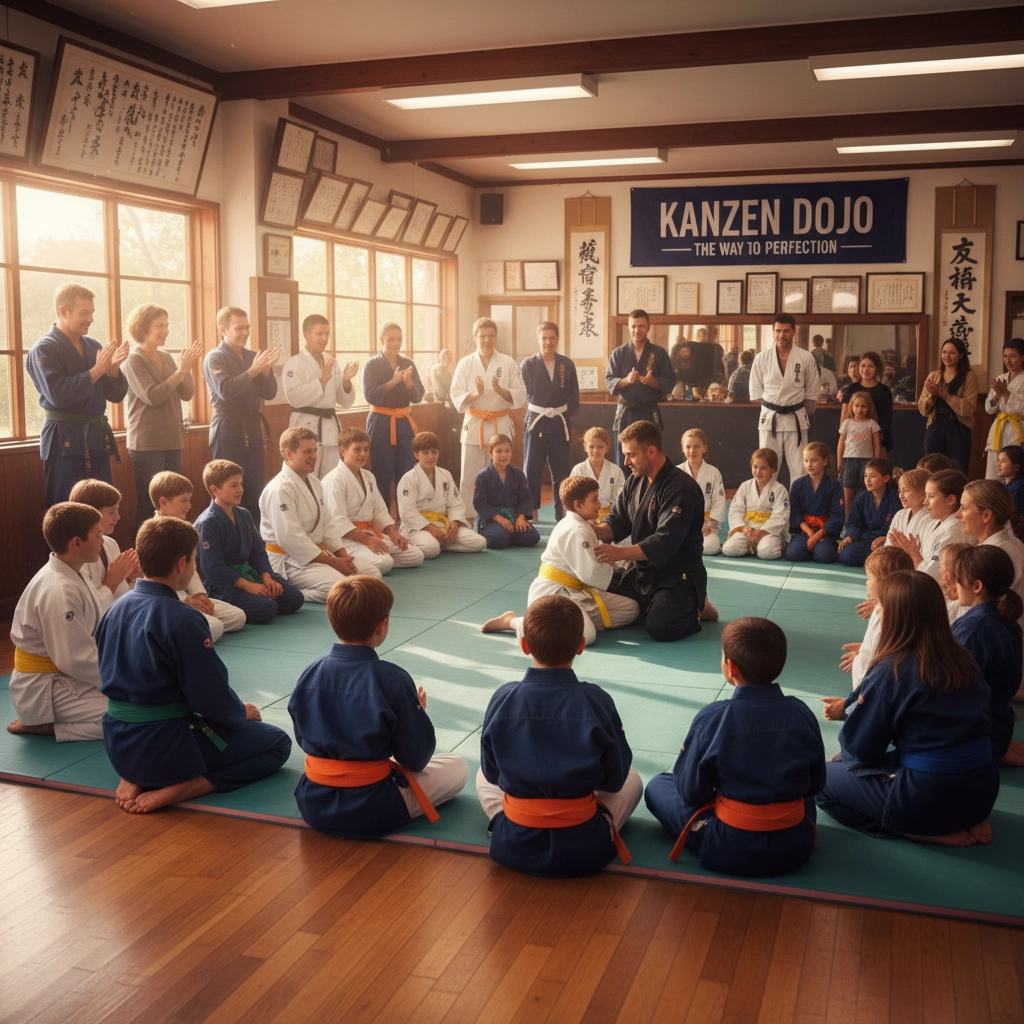
Host regular testing ceremonies that feel like celebrations rather than stressful examinations. Invite families, take photos, and make each promotion special. Share achievements on social media and your school’s communication platforms. Public recognition motivates not just the student being promoted, but everyone watching.
Encourage goal-setting beyond belt promotions. Help students identify personal objectives: improved fitness, self-defense skills, competition performance, or confidence building. Regular goal-setting conversations keep training purposeful and give students multiple ways to measure success.
Consider implementing a student progress tracking system that documents achievements, attendance milestones, and personal improvements. When students can see their journey mapped out visually, they’re more likely to stay committed to reaching their next milestone.
Step 5: Build Community Beyond the Mats
Students who feel isolated are more likely to quit. Transform your dojo from a place where people take classes into a genuine community where lasting friendships form. When students have social connections at your school, they’re not just walking away from training: they’re walking away from their friends.
Organize events outside regular training such as belt ceremonies, tournament watch parties, community service projects, or social gatherings. These events allow students to bond with each other and strengthen their connection to your school. A student might skip a few classes, but they won’t miss their friend’s belt test.
Engage families in the martial arts journey, especially for children’s programs. Keep parents informed about their child’s progress through regular updates, photos, and communication about upcoming events. When parents feel invested in their child’s martial arts education, they become advocates for continued enrollment.
Create mentorship opportunities where advanced students help guide beginners. This builds confidence in both groups and reinforces the family atmosphere that makes martial arts schools special. Senior students feel valued and responsible, while newcomers receive additional support and encouragement.
Use your dojo’s communication tools to foster community connection. Share training tips, student spotlights, and school news through apps or email newsletters. The more connected students feel to your school’s culture, the less likely they are to leave.
Making It All Work Together
Implementing these five steps requires consistent effort and the right systems to support your retention goals. The most successful schools use martial arts management software to automate attendance tracking, streamline communication with students and families, and maintain detailed records of each student’s journey.
When you systematically focus on retention, you create a positive cycle: happy students stay longer, refer their friends, and become advocates for your school. They participate in events, support newer students, and create the vibrant community atmosphere that makes martial arts training special.
Remember, retaining existing students is far more cost-effective than constantly acquiring new ones. While marketing and promotions can bring students through your doors, it’s your retention strategies that determine whether your school thrives or struggles financially.
Start with one step: perhaps implementing systematic new student check-ins or setting up attendance tracking alerts. As you see the impact on your retention rates, expand to include more elements. Small, consistent improvements in how you care for your students will compound over time, creating a stronger, more profitable, and more fulfilling martial arts school for everyone involved.
The students walking through your doors today could become lifelong practitioners, instructors, and community leaders. Give them the support, recognition, and belonging they need to stay on that journey with you.